
 Pender
 Rode
Rode
 Santana
 Shure X
 Camo
Camo
 Sunset R
 Reiney Blue
 Aura
Aura
 Aero Shield 500
 Aero Shield 700

blog
The Complete Breakdown: How Dyed Film is Transforming Industries
- 2024.05.22
- Martin. C
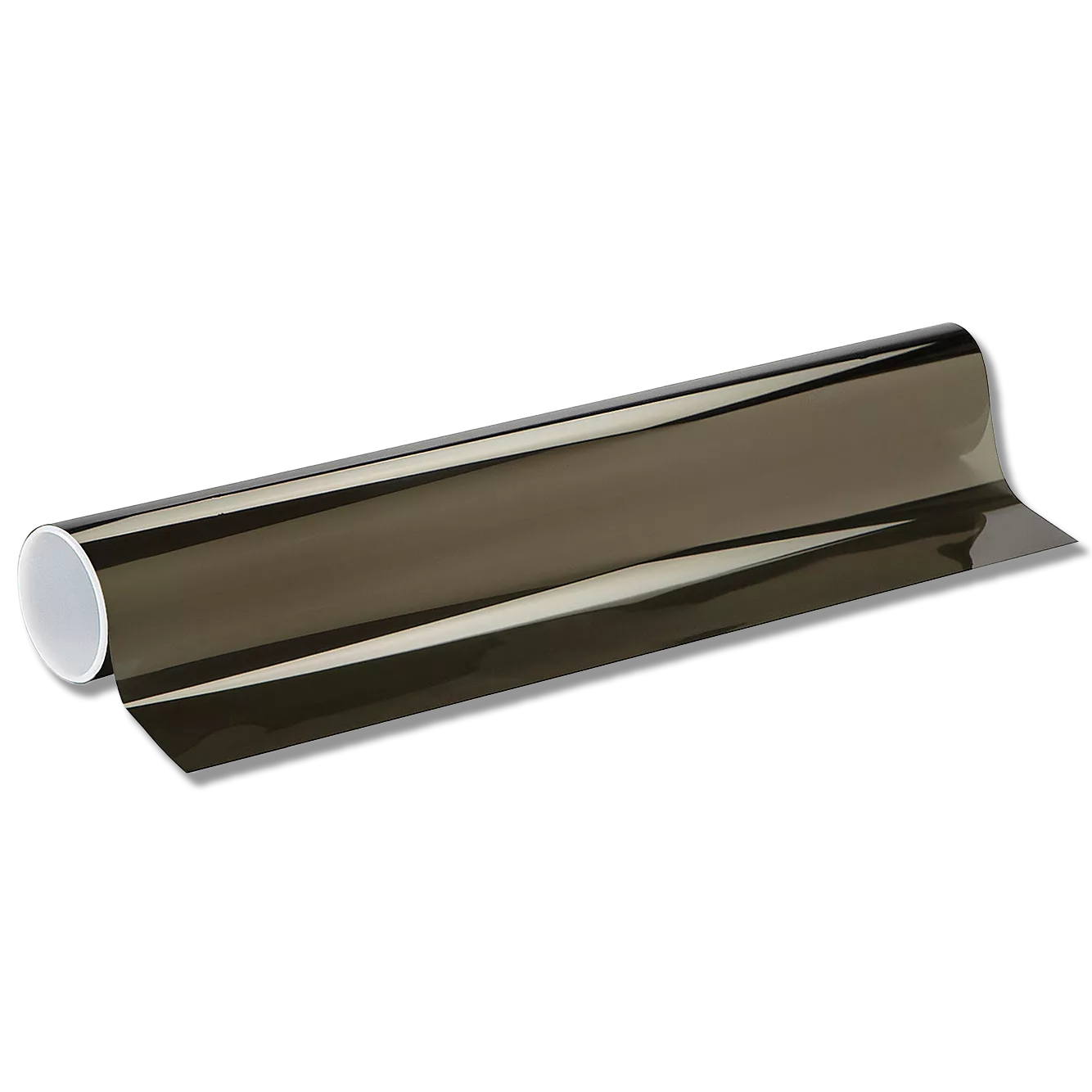
Dyed film, once a niche product, has grown into a cornerstone technology across multiple sectors. From enhancing vehicle aesthetics to improving building energy efficiency, dyed film is a game changer in numerous industries. This article provides a thorough analysis of how dyed film is being used to transform these industries, detailing its benefits, applications, and the technology behind it.
Understanding Dyed Film
Dyed film consists of a polyester or polymer base infused with various dyes to achieve desired colors and properties. The dye is introduced into the film during the manufacturing process, ensuring that the color is integrated throughout the material, not just on the surface. This integration allows for consistent color and durable performance.
Types of Dyed Film
- Automotive Window Tints
- Commercial and Residential Window Films
- Protective and Security Films
Industry Transformations with Dyed Film
Automotive Industry
In the automotive world, dyed films are primarily used for window tinting. They provide several benefits:
- UV Protection: Blocking harmful UV rays protects passengers and prevents the interior fabrics from fading.
- Heat Reduction: By limiting solar gain, dyed films keep cars cooler, reducing the need for air conditioning.
- Privacy and Security: Tinted windows prevent prying eyes from seeing into the vehicle, adding a layer of privacy and security.
Architectural Applications
Dyed films are not limited to the automotive industry; they play a significant role in residential and commercial buildings:
- Energy Savings: By blocking infrared radiation, dyed films reduce cooling costs in buildings during warmer months.
- Fade Protection: They protect interior furnishings from fading by significantly reducing sunlight exposure.
- Aesthetic Enhancements: Available in various shades, they can enhance the external appearance of buildings.
Safety and Security
Dyed films also contribute to safety and security measures:
- Shatter Resistance: In the event of glass breakage, films help hold shattered pieces together, reducing risk of injury and property damage.
- Enhanced Privacy: In settings like hospitals and corporate offices, films provide privacy without sacrificing light.
Technological Advancements in Dyed Film
The industry has seen significant advancements in the formulation and application of dyed films:
- Improved Color Stability: New dye formulations and UV inhibitors have increased the color longevity of dyed films.
- Installation Techniques: Innovations in adhesives and application techniques have made films easier to install and more durable.
Challenges in Adoption
Despite their advantages, there are challenges to adopting dyed films:
- Perception of Value: Educating the market on the long-term benefits versus initial costs is ongoing.
- Regulatory Hurdles: In some regions, window tinting is heavily regulated, affecting the automotive application of dyed films.
Case Studies: Success Stories
Several industries provide compelling success stories that highlight the impact of dyed film:
1. Automotive: A luxury car manufacturer has seen reduced warranty claims related to interior fading after standardizing dyed film tinting on their vehicles.
2. Architectural: A major corporate office reported a 30% reduction in cooling costs after installing dyed films on their building.
Frequently Asked Questions
1. How does dyed film impact energy efficiency?
2. What is the lifespan of dyed film on windows?
3. Are there any environmental benefits to using dyed film?
4. Can dyed film be customized for specific light transmission needs?
5. How does the cost of dyed film compare to other window treatments?
Conclusion
Dyed film is reshaping how industries approach issues related to energy, privacy, and aesthetics. Its versatility and the continuous improvement in its technology make it a compelling choice for businesses and consumers alike. As this technology continues to evolve, its adoption is expected to grow, further transforming industries and offering new solutions to old challenges.